
For more detailed information, scroll down!
If you want to hear about the product, click the "Listen" button"
WOULD YOU LIKE TO LISTEN TO THE ENTIRE BROADCAST ABOUT THIS PRODUCT?
Vit D3
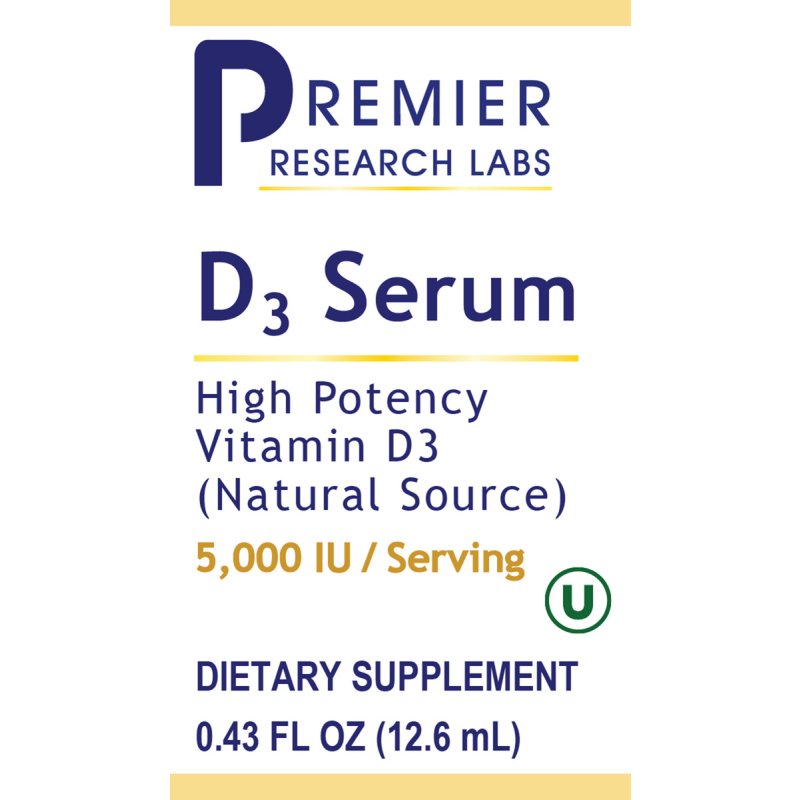
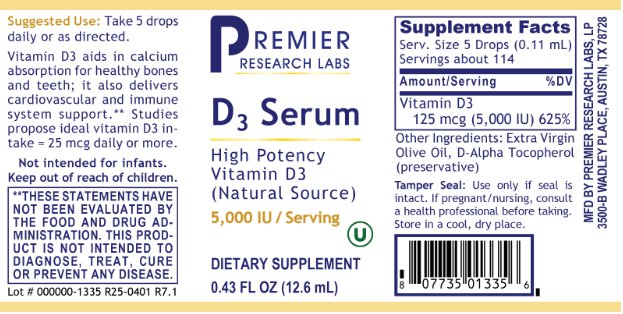
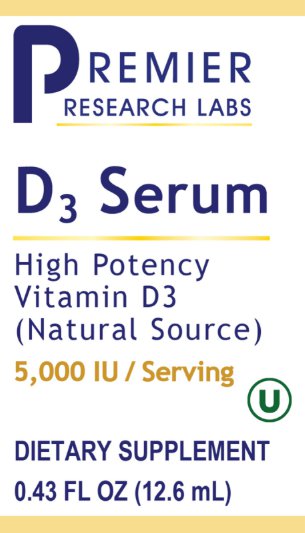
Introducing D3 Serum from Premier Research Labs. D3 Serum
provides 5,000 IU in one serving of natural vitamin D3 in the form of
fat-soluble, in a base of extra virgin olive oil. Without
artificial flavors and colors, no added magnesium stearate
or other unwanted chemicals.
✔ 5,000 IU of vitamin D3 in one dose
✔ Natural source of vitamin D3 (not synthetic)
✔ In a fat base (extra virgin olive oil) for better
absorption
✔ No added magnesium stearate
✔ No artificial colours or flavours
✔ Supports bone growth and mineralization*
✔ Supports calcium absorption*
✔ Supports cardiovascular health*
✔ Supports a healthy immune system*


NEWLY DISCOVERED FUNCTIONS OF VITAMIN D
Do you think about vitamin D when you are out in the sun?
outside? Exciting new research shows that this small but
This powerful vitamin has many newly discovered functions. Of course,
Maintaining the proper level of vitamin D is crucial
at every stage of life. But did you know that vitamin D receptors are found
in countless tissues throughout the body? This could mean,
that vitamin D has a much greater impact on the health of the body than
previously thought.
DO IMMUNE CELLS HAVE VITAMIN D RECEPTORS?
We already knew that vitamin D plays a very important role
in maintaining healthy bones, their growth, mineralization and
calcium absorption. Vitamin D also supports the health of the digestive system
cardiovascular.* However, new, groundbreaking research shows,
that our immune cells have vitamin D receptors. How
This? Immune cells with vitamin D receptors? Yes! It means
that adequate levels of vitamin D may be crucial
to support the immune system by activating cells
immune.*


VITAMIN OF THE SUN
The body's need for adequate levels of vitamin D has increased
in recent times even more attention. Although direct
exposure of the skin to sunlight is an excellent source
Vitamin D, many people are not able to achieve its optimal level
health level. They may not have enough exposure to
the sun or their body has difficulty converting vitamin D into
its active form. In any case, the use of high-quality
Vitamin D supplement seems to be a reasonable solution for
support optimal health.*
WHAT TO PAY ATTENTION TO WHEN CHOOSING A VITAMIN D SUPPLEMENT?
Firstly, the preferred form of vitamin D is D3 (not vitamin
D2) because it is better metabolized by the body. Secondly,
it is worth choosing a natural source of vitamin D3 (not synthetic ones),
containing at least 5,000 IU in one dose. Should be avoided
products containing unwanted chemical additives, such as
magnesium stearate (questionable auxiliary ingredient) and
other unfavorable substances.

WOULD YOU LIKE TO LISTEN TO THE ENTIRE BROADCAST ABOUT THIS PRODUCT?
Read more!
VITAMIN D
OR THE SUNNY HORMONE
The Truth About Vitamin D and the Secrets of Safe Supplementation
INTRODUCTION: THE GREAT MISUNDERSTANDING
Most of us grew up believing that vitamin D was just another dietary supplement meant to prevent rickets in children. However, this is a fundamental mistake.
Vitamin D isn't actually a vitamin, but a powerful steroid hormone—more precisely, a secosteroid—that controls between three and ten percent of our genome. Vitamin D receptors are found in nearly every cell in the human body, meaning it affects virtually every system in the body.
Today, we live in a global pandemic of vitamin D deficiency, estimated to affect over a billion people worldwide. This article will guide the reader through the maze of myths surrounding vitamin D, explain why official recommendations can be drastically underestimated, and show how to safely utilize the knowledge of pioneers like Dr. Cícero Coimbra.
WHAT IS VITAMIN D
Vitamin D, despite its common name, is not actually a vitamin. It's a powerful steroid hormone, more precisely, a secosteroid. This distinction is fundamental. Vitamins are substances that the body needs in small amounts but cannot produce on its own. A hormone, on the other hand, is a signaling molecule produced by the body to communicate with cells and regulate their behavior.
The classification of vitamin D as a vitamin is largely the result of a historical error from the early 20th century. At that time, the substance was discovered to prevent rickets in foods such as cod liver oil. It was not yet realized that the human body could synthesize it itself when exposed to sunlight.
The biological role of vitamin D extends far beyond bone health. The active form of this hormone, called calcitriol, acts as a molecular switch regulating the expression of between three and ten percent of the human genome. This translates to influencing the function of between nine hundred and three thousand genes. Vitamin D receptors, called VDRs, are found in the nuclei of almost all cells in the human body.
As a result, vitamin D plays a key role in regulating the immune, cardiovascular, and nervous systems. Among other things, it supports the body's production of natural antibiotics, such as cathelicidin, which effectively fight viruses and bacteria.
From an evolutionary perspective, vitamin D also acts as an environmental signal, informing the body about resource availability and seasonal changes. According to the Human Hibernation Syndrome theory, low vitamin D3 levels resulting from lack of sun exposure send a signal to our DNA: winter and famine are coming.
In response, the body engages in survival mode. This manifests itself through increased fat storage, increased cravings for carbohydrates and fats, and a general slowing of metabolism. A state resembling depression or chronic fatigue often develops, limiting physical activity during periods of energy deprivation.
At the same time, the body can enter a state known as incomplete repair syndrome. In this mode, tissue and bone are only minimally repaired to preserve mineral reserves until favorable environmental conditions return.
The evolution of human skin color was also strongly linked to vitamin D production. Populations that migrated north gradually lost dark skin pigment to allow for efficient vitamin D synthesis in lower sunlight.
D HORMONE FACTORY. HOW IT WORKS
Understanding vitamin D metabolism is crucial to its safe use. The entire process can be compared to preparing a meal.
First, we have raw meat in the freezer. In our bodies, this corresponds to the cholesterol found in the skin, or heptadehydrocholesterol.
Then comes thawing. Biologically, this refers to the moment when UVB radiation hits the skin and converts cholesterol into cholecalciferol, or actual vitamin D3.
The next step is "meat grinding." In the body, this takes place in the liver, where vitamin D3 is converted into calcifediol, known as 25(OH)D. It is this form that is measured in the blood.
The final stage can be compared to frying in a pan. Calcitriol, an active hormone that sends instructions to cells throughout the body, is produced in the kidneys and other tissues.
It's worth remembering that plant-derived vitamin D2 is significantly less effective than natural human vitamin D3. The body must put in extra effort to process it, and its biological activity is up to three times lower.
HOW VITAMIN D WORKS IN THE BODY
The active form of vitamin D, calcitriol, acts as a powerful regulator of cellular function. Because vitamin D receptors are found in almost every cell in the body, its influence spans many biological systems.
One of the most important areas of action is the immune system. Vitamin D acts as an immunomodulator, influencing both innate and adaptive immunity. It stimulates the production of antimicrobial peptides such as cathelicidin and defensins, which help fight bacteria, viruses, and fungi.
At the same time, vitamin D helps prevent autoimmune reactions by supporting the production of regulatory T cells, which act as a biological brake on immune responses, preventing the body from attacking its own tissues.
Vitamin D also plays an important role in maintaining bone and muscle health. It is essential for proper absorption of calcium and phosphorus in the intestines. It stimulates the activity of osteoblasts, the cells responsible for bone formation, and prevents excessive parathyroid gland activity, which can lead to bone weakening.
Its effects also extend to the muscular system. Vitamin D affects muscle strength and mass, improving balance and reaction time. This is particularly important in preventing falls in older adults.
Equally important is the impact of vitamin D on the nervous system. This hormone acts as a neurosteroid, participating in brain development and protecting neurons from damage. It regulates levels of neurotransmitters such as serotonin, dopamine, and adrenaline, which directly impacts mood and cognitive function.
WHY MOST PEOPLE ARE DEFICIENT
Modern science indicates that vitamin D deficiency is a global phenomenon. It is estimated to affect over one billion people worldwide. The causes of this phenomenon are complex and stem from both lifestyle changes and environmental factors.
Modern lifestyles play a key role. Most people spend a significant portion of their day indoors, working in offices or using electronic devices. As a result, our skin has very limited exposure to UVB radiation.
Another factor is the widespread use of sunscreen, which can block vitamin D synthesis by up to 90 percent. Furthermore, the obesity epidemic contributes to this, as vitamin D dissolves in fat tissue and can become trapped there.
The aging of societies is also a factor. With age, the skin loses its ability to effectively produce vitamin D, and in older adults, the efficiency of this process can drop to about a quarter of the level seen in younger people.
HUMAN HIBERNATION SYNDROME
Why does lack of sun make us gain weight and get sick more often?
Jeff Bowles has proposed an interesting theory called Human Hibernation Syndrome. According to the theory, declining vitamin D levels are an evolutionary signal to the body: winter is approaching, and a period of food scarcity is imminent.
In such a situation, the body begins to behave as if it was preparing to survive a difficult period.
The body begins to store fat to survive times of food shortage, which may be one factor in the modern obesity epidemic.
There is also lethargy and a decrease in energy, which can be interpreted as an energy-saving mechanism.
Additionally, the body enters what is known as Incomplete Repair Syndrome, where it performs only minimal tissue repairs to conserve the mineral resources needed to survive the "winter.".
According to this concept, many chronic injuries and inflammations disappear only after the use of higher doses of vitamin D3, which signal the arrival of biological summer to the body.
IMPACT ON CHRONIC DISEASES
Vitamin D deficiency is sometimes referred to as hormonal hibernation syndrome. It puts the body into a state of resource conservation and limited tissue regeneration. Prolonged persistence of this state contributes to the development of many lifestyle diseases.
In autoimmune diseases, high doses of vitamin D, as used in the Coimbra Protocol, among others, have been shown to be very effective in halting the progression of multiple sclerosis. Similar mechanisms of action are observed in lupus, psoriasis, and rheumatoid arthritis.
Vitamin D may also play a significant role in cancer prevention. It promotes apoptosis, or the programmed death of cancer cells, inhibits angiogenesis, and hinders metastasis. Epidemiological studies have shown that optimal levels of vitamin D in the blood can significantly reduce the risk of certain cancers.
In the context of diabetes, vitamin D protects pancreatic beta cells and improves cell sensitivity to insulin. It also influences blood pressure regulation by inhibiting the RAAS system, which is responsible for the development of hypertension.
THE FILTERS TRAP AND THE SECURITY MYTH
Dermatologists have been repeating the same phrase for decades: "Avoid the sun." The effect of this advice, however, has been paradoxical. On the one hand, it has led to massive vitamin D deficiency in the population, and on the other, it has failed to stem the rising incidence of melanoma.
Sunscreens can block the skin's production of vitamin D by as much as ninety-five to ninety-eight percent. However, they don't always effectively protect against melanoma because they give people a false sense of security. As a result, many people stay in the sun much longer than they would without protection, without developing the natural protective barrier of a gradual tan.
So how do you enjoy the sun safely? It's best to expose yourself to the sun around noon, roughly between 11 a.m. and 3 p.m., when UVB radiation is at its strongest. In many cases, a few minutes without sunscreen is enough for your skin to turn slightly pink. It's also worth remembering that glass blocks UVB radiation, so sitting by a window doesn't lead to vitamin D production.
ESSENTIAL PARTNERS – VITAMIN K2 AND MAGNESIUM
Supplementing with vitamin D3 alone is a serious mistake. This hormone requires two key partners to function properly.
The first is vitamin K2, especially in the MK-7 form. Vitamin D increases calcium absorption from the intestines, but vitamin K2 determines where the calcium is ultimately utilized. It activates proteins such as osteocalcin and MGP, which remove calcium from arteries and direct it to bones and teeth. Without adequate vitamin K2, there is a risk of blood vessel calcification. Typically, a minimum of 100 micrograms of vitamin K2 for every 10,000 units of vitamin D3 is recommended.
The second key element is magnesium. It's essential for the activation of vitamin D in the body. Without adequate magnesium levels, vitamin D remains inactive, which can lead to symptoms resembling toxicity, even though the problem is actually a deficiency.
DIAGNOSTICS – DON'T BE FOOLED BY THE TESTS
Choosing the right laboratory test is crucial in diagnosing vitamin D. Always ask the laboratory for a 25(OH)D, or calcifediol, level. This is the storage form of vitamin D and the best indicator of its level in the body.
However, the active form of the hormone, 1,25(OH)₂D₃, should not be tested to diagnose deficiency. Its levels can be high even when vitamin D stores are very low.
Interpreting results also requires caution. Many laboratories consider a level of thirty nanograms per milliliter to be normal. However, for optimal health and protection against cancer, it is recommended to aim for a level of fifty to eighty nanograms per milliliter. In therapeutic protocols, this level may be even higher, under strict medical supervision.
A particularly important indicator when using higher doses is the level of the hormone PTH, or parathyroid hormone. The goal of therapy is to reduce it to the lower limit of normal, indicating that the body has been adequately saturated with vitamin D.
HIGH DOSE PROTOCOL AND SAFETY
People struggling with chronic illnesses often find that standard doses of vitamin D are insufficient. Recommendations of 600 to 2,000 international units per day usually fail to overcome the body's resistance to this hormone.
For a healthy adult, a daily dose of up to 10,000 international units is generally considered safe. Interestingly, our skin can produce a similar amount of vitamin D in a single day from sun exposure.
However, therapeutic doses, which can be as high as approximately 1,000 international units per kilogram of body weight, require strict safety guidelines to avoid hypercalcemia, or excess calcium in the blood.
The basic safety guidelines outlined in Dr. Coimbra's protocol include a low-calcium diet. This means completely eliminating dairy products, including milk, cheese, and yogurt, as well as calcium-fortified products.
The second pillar is adequate hydration. It's recommended to drink at least two and a half liters of fluids daily to help the kidneys effectively remove excess calcium from the body.
The third element is physical activity. Walking or strength training helps direct calcium to the bones instead of allowing it to circulate through the bloodstream.
DOSAGE
The issue of vitamin D dosage has been controversial for years. Official recommendations from many health authorities are based on doses established solely for the prevention of rickets.
In many countries, the recommended daily intake is between 400 and 800 international units. However, many experts believe that these doses are insufficient to achieve optimal vitamin D levels in the blood.
A growing number of experts indicate that a dose of up to ten thousand international units per day may be safe for healthy adults because it corresponds to the amount the body can produce during short exposure to the sun.
In therapeutic protocols used to treat chronic diseases, doses may be significantly higher. However, in such cases, supplementation requires regular laboratory testing and close medical supervision.
SECURITY
The most significant risk associated with excessive vitamin D supplementation is hypercalcemia, or excess calcium in the blood. Vitamin D increases the intestines' ability to absorb calcium and, in some situations, can also lead to its release from bones.
Symptoms of hypercalcemia can include nausea, vomiting, constipation, fatigue, and heart rhythm disturbances. In severe cases, it can lead to kidney damage, kidney stones, and even coma.
Therefore, when using higher doses, it is necessary to regularly monitor the levels of vitamin D, calcium and other laboratory indicators.
MOST COMMON ERRORS
One of the most common mistakes is supplementing vitamin D without the appropriate cofactors, especially vitamin K2 and magnesium. This increased calcium absorption can lead to its deposition in undesirable locations.
The second common misconception is the fear of doses higher than several hundred international units. In reality, the human body is adapted to much larger amounts of vitamin D, which are naturally produced during sun exposure.
Another problem is the misinterpretation of laboratory tests. Often, the wrong form of vitamin D is tested, and the results are interpreted based on lower than normal values.
Other mistakes include taking vitamin D without fat in meals, excessive calcium intake at high doses, and performing check-ups too infrequently.
Regular monitoring of vitamin D, calcium, and other metabolic indicators helps avoid most potential problems and makes supplementation a safe tool for supporting health.
SUMMARY: YOUR HEALTH IN YOUR HANDS
Vitamin D is sometimes called the cheapest life insurance policy. It's readily available, inexpensive, and has a profound impact on body function.
At the same time, knowledge about it carries with it responsibility. Supplementing very high doses should not be done without monitoring kidney function and consulting a physician who understands modern hormonal science.
Returning to natural contact with the sun, conscious supplementation and appropriate diagnostics can stop the body from functioning in biological winter mode.
It is therefore worth ensuring that the body never receives a signal that a time of deficiency and hibernation is approaching.
BIBLIOGRAPHY
Voltan G. Vitamin D: an overview of gene regulation. 2023.
Pike JW. The vitamin D receptor: contemporary genomic approaches. 2017.
Rosli NFH. Vitamin D deficiency and the vitamin D receptor. 2024.
Cyprian F. et al. Immunomodulatory effects of vitamin D. Frontiers in Immunology.
Malaguarnera L. Vitamin D and immune responses. Nutrients.
Nabil IK. Vitamin D receptor and hypertension. 2024.
Amon U. Safety data during high-dose vitamin D therapy. 2022.
Ekmekcioglu C. Optimal 25(OH) D levels for disease prevention. 2025.
Lemke D. Vitamin D resistance and autoimmune disease. 2021.
GrassrootsHealth. Vitamin D therapy and autoimmune conditions.




Reviews
There are no reviews yet.