
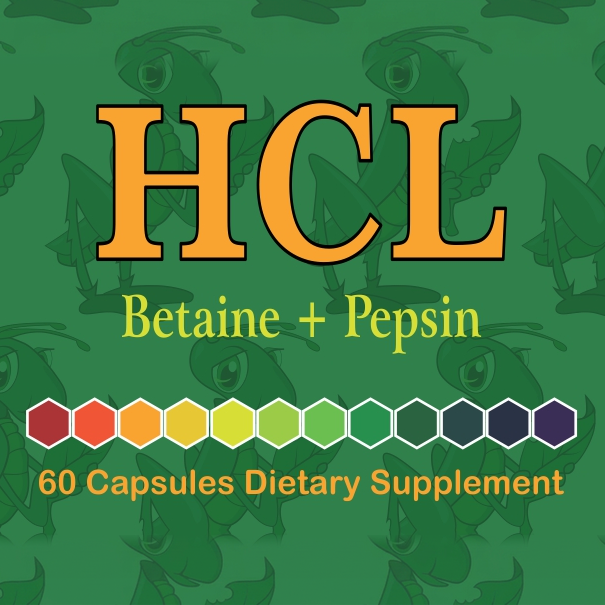

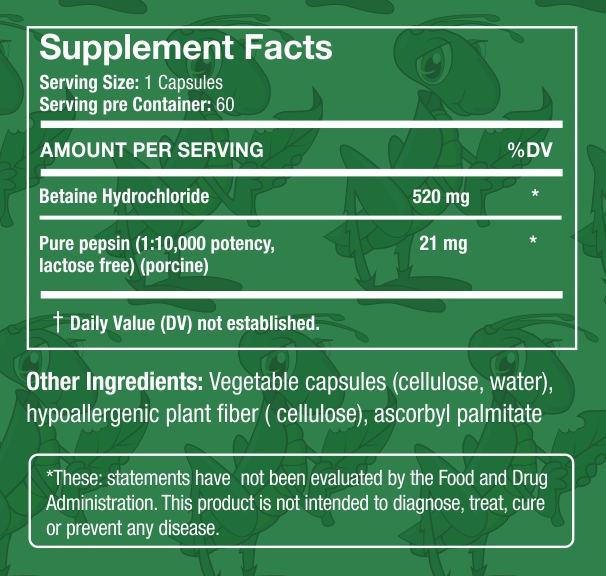
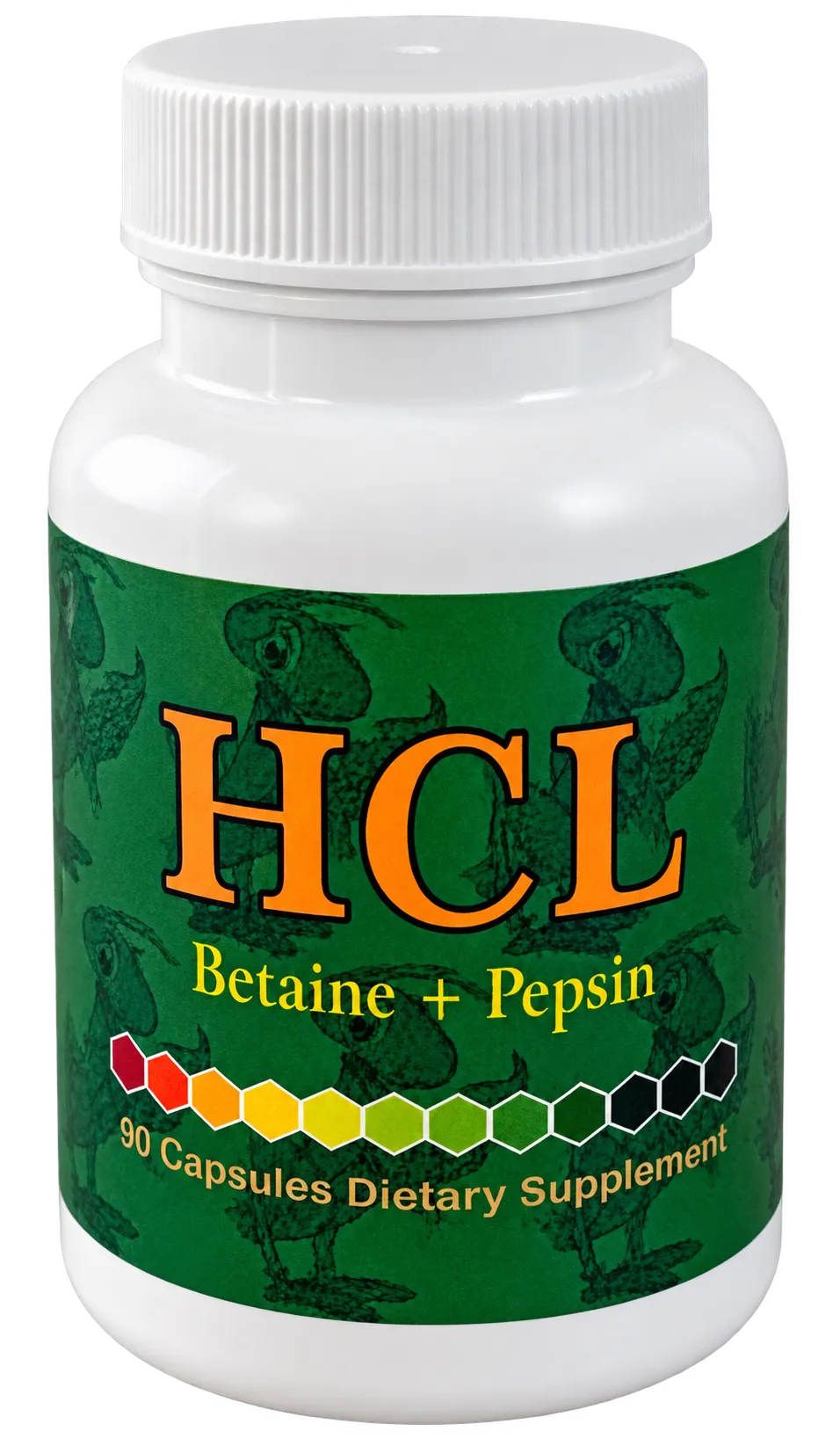
Scroll down for more detailed information!
If you want to hear about the product, click the "Listen" button"
DISCLAIMER / disclaimer
Dietary supplements are not medicines and are not intended to diagnose, treat, or prevent any disease. They cannot be considered a substitute for medical treatment or medications prescribed by a doctor.
All information presented here is for educational and informational purposes only. It does not constitute medical advice, a diagnosis, or an individual treatment recommendation.
Each person makes the decision to use dietary supplements at their own responsibility. Before starting supplementation, especially in the case of chronic illnesses, pregnancy, breastfeeding, or taking medications, consult a doctor. or another qualified healthcare professional.
For additional information regarding your own health condition, possible contraindications, drug interactions, and the proper use of supplements, consult your doctor.
Read more!
The Fountain of Youth
A substance that truly deserves to be called a fountain of youth and health is produced every day in the human body. Unfortunately, its production falls sharply after the age of thirty-five, or forty at the latest, particularly when our everyday diet consists of boiled, baked, grilled or fried food. In people over forty, food prepared at high temperatures can readily give rise to what are known as endogenous toxins, meaning toxins produced within the body. Instead of nourishing us, it can then place an unnecessary burden on the body.
One reason for metabolic problems, and consequently premature ageing and a shorter life, is that this fountain of youth begins to run dry. Within the human body, that fountain consists of stomach acid, together with betaine and digestive enzymes. Hydrochloric acid, with the chemical formula HCl, is produced in the stomach and plays a key role in digesting the proteins we eat and activating enzymes that complete the digestion and absorption of food.
Gastric juice containing HCl, with a pH between one point five and two point five, creates an acidic environment in the stomach. It serves as our first line of defence against parasites, viruses and bacteria, since no microorganism can survive in such an acidic environment.
If we ate food as nature provides it, avoided snacking between main meals and took time to eat without stress or rushing, our supply of hydrochloric acid, our fountain of youth, would last a lifetime. But when our daily diet consists entirely of fried, grilled, boiled or baked food, that fountain begins to run dry at around forty. Stomach acid production declines, setting off a cascade of symptoms: indigestion, a heavy feeling after meals, bloating and foul-smelling gas. These symptoms indicate the presence of undigested protein in the intestines. Hydrochloric acid, together with betaine, is responsible for protein digestion, particularly during its initial stage in the stomach. Another problem is chronic or recurrent bacterial, viral and parasitic infection. Stomach acid is the body’s first line of defence. If that barrier is not strong enough, parasites and bacteria can pass into the intestines and then reach other parts of the body.
Another problem associated with insufficient stomach acid is heartburn. Yes, heartburn: it results from the fermentation of undigested food and an accompanying, progressively tightening oesophagus, a condition sometimes referred to as a hernia.
Insufficient stomach acid can be recognised by yellowing teeth, plaque and receding gums. Osteoporosis, arthritis, tinnitus and cataracts are clear consequences of a lack of hydrochloric acid in the stomach, although the connection is not obvious to everyone.
When digestion is inadequate, the body’s tissues become too acidic and their pH falls too low. Calcium is then drawn from the bones and teeth to make the body more alkaline, bringing conditions within its cells towards a more alkaline pH. The more severe and prolonged this cellular acidity becomes, the more calcium is withdrawn. More of the remaining calcium is then deposited in soft tissues, such as cartilage in the ear, giving rise to tinnitus later in life, or in the soft tissues of the eye, leading to cataracts.
Most often, however, we see these effects of excess acidity as stiff, immobile joints and, of course, osteoporosis, because the bones are continually being stripped of valuable calcium. Other problems associated with this dwindling fountain of youth, stomach acid, include swollen joints and cancer. This bold claim is based on the findings of Dr Jerry Tennant, who linked pH levels to the body’s oxygenation, a connection presented as consistent with the work for which Professor Otto Warburg received the Nobel Prize in nineteen thirty-one.
Lymphoma and breast cancer are attributed, in part, to lymph becoming too thick. Unlike the circulatory system, which has the heart, the lymphatic system has no pump of its own. To circulate properly and carry toxins away from the body’s tissues, lymph must remain sufficiently fluid. Inadequate digestion, however, causes lymph to thicken. Moreover, only hydrochloric acid and betaine can initiate the process that restores its fluidity, allowing it to cleanse individual organs. This is admittedly a considerable simplification. There is, however, a term, mesenchymal acidosis, describing a fall in the pH of the environment between cells, which may also affect the lymph draining from it. Hydrochloric acid plays an indirect role in this process.
When discussing these serious diseases, it is worth noting that any prolonged weakening of immunity, particularly in older people, points to insufficient hydrochloric acid in the stomach. When the stomach secretes hydrochloric acid, bicarbonate enters the bloodstream. When the acidic stomach contents reach the duodenum, they stimulate the release of secretin, which increases bicarbonate secretion by the pancreas. With less acid, this second signal may be weaker. Bicarbonate in the blood primarily helps keep its pH stable, which is essential for health.
This brings us to perhaps the most important point: why HCl and the betaine associated with it can be called a fountain of youth. We inherit our genetic makeup from our ancestors. Around sixty-five per cent of our genes are strong and healthy, while around thirty-five per cent are weaker genes that may become active and manifest as disease. They may, but they do not have to.
If we ate most of our food raw, without cooking or heating it, these weaker genes would never become active. We would not be depleting the body’s methyl groups, CH₃, which are needed to digest food prepared at high temperatures. For readers familiar with biochemistry, this concerns methylation and demethylation, specifically the loss of methyl groups. In practical terms, someone genetically equipped to remain healthy for ninety years may begin to experience the effects of these weaker genes after sixty if most of their food has been prepared at high temperatures throughout their life. Instead of remaining healthy, they begin to develop disease. Betaine, described here as a component of HCl, is a methyl donor and participates in reactions that support methylation, one of the mechanisms that regulate gene activity. An inadequate supply of methyl donors can disrupt this regulation.
The underlying principle is the same for everyone. Broadly speaking, having enough stomach acid offers a particular form of protection against disease, including genetic disease, and enables you to remain healthy and physically capable for one-third longer than you would with insufficient hydrochloric acid in your stomach.
Does this mean that everyone who wants a long, healthy life should switch to a raw-food diet? In some respects, that would be the ideal solution. Evidence is offered by health retreats that serve patients only raw food, such as Dr Ewa Dąbrowska’s centres in Poland and the Hippocrates Institute in the United States. Even the most serious illnesses resolve, and patients regain full health, when they spend an extended period eating only food just as nature provides it.
People who enjoy cooked food, prefer it or have no alternative, and whose meals are mostly prepared at high temperatures, need not become ill. They can take a naturally sourced hydrochloric acid supplement with each meal. Taking one or two capsules of plant-derived hydrochloric acid with every boiled, grilled, fried or baked meal prevents the activation of what Dr Lynch calls dirty genes, genes associated with disease. It also extends our lives and substantially improves digestion.
In this way, we avoid losing that valuable one-third of our methyl groups each day, a loss that would otherwise leave disease-associated genes exposed and lead, sooner or later, to illness in later life. The length and quality of our lives, particularly in the second half of life, depend on the condition of the digestive system, including the amount of stomach acid we produce.
If you want a long, healthy life, make sure you have enough stomach acid by supplementing with a plant-derived product containing betaine.
Ideally, a cooked meal should also be accompanied by plant-derived digestive enzymes. These continue the digestion of proteins, carbohydrates and fats, preventing indigestion, a heavy feeling after eating and bloating.
When food is properly digested day after day, heartburn does not develop, immunity does not weaken, teeth do not yellow and gums do not recede. By breaking up granular material in the lymph, hydrochloric acid in the stomach further improves immunity and prevents arthritis, osteoporosis and calcium deposits in the eyes or ears, thereby preventing tinnitus or cataracts, particularly after the age of sixty-five.
If you are over forty, do not wait for these problems to develop gradually. Supplement every meal prepared at high temperatures with naturally sourced, plant-derived hydrochloric acid and a full range of plant-derived enzymes, such as Digest Max. Both the HCl and the digestive enzymes must be exclusively plant-derived.
The observations and proposed mechanisms presented here reflect hypotheses and individual experiences. They have not all been substantiated by adequate evidence and do not guarantee any particular outcome. Dietary supplements are not medicines and do not replace medical diagnosis or treatment.
Reviews
There are no reviews yet.